Drip System in Our Plot

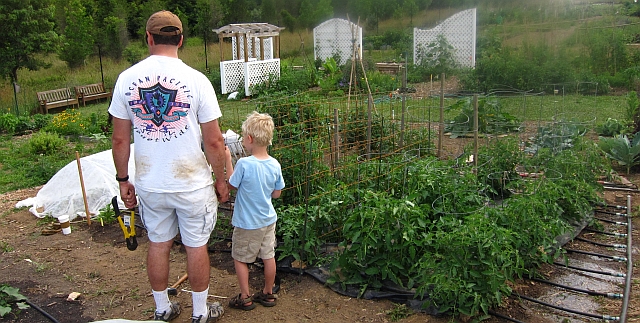
a partial view of our new drip system in the tomato bed

My husband installed a drip system in our garden plot.  The long black tubes looked too industrial for me at first.  But when the drip system watered the plot while I planted seeds, weeded the beds, cut the swiss chard crops, removed tomato suckers, photographed garden flowers and bugs, and played with my son,  I came to appreciate the contrast of black plastic stripes against green foliage and brown dirt.   The drip system is awesome!  It saves time and water.

After consulting with a local master gardener, my husband ordered drip system supplies from Robert Marvel.   It took him about 2 hours to completely set up the system. The system has these basic parts:   a removable assembly (consisting of a check valve, filter and pressure regulator), a distribution tube, drip tape and a garden hose.
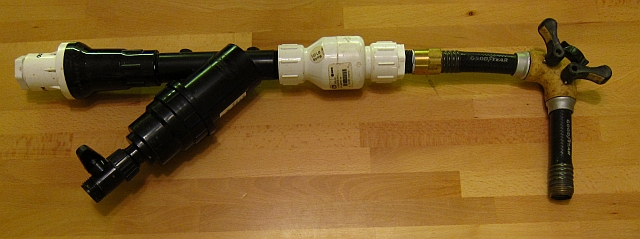
removable assembly part not seen in photo
the removable assembly

To water the garden, all I do is hook up our hose to the community garden water spigot and the removable assembly attached to the distribution tube (thick tube seen in photo at edge of plot).  Water flows out from the distribution tube to the drip tape between the plants.  The drip tape has emitter holes every 8 inches and delivers .53 gallons of water/minute/100 feet of drip tape.  Our garden plot needs one inch of water per week thus the drip system needs to run for a total of two hours a week.

The initial cost of installing a drip system is not cheap, but the benefits are worth it.   Drip irrigation is the most efficient way to water plants.  It delivers water directly to plant roots where the most water absorption takes place thus prevents water run off.  It eliminates water on plant foliage thus reduces risk of diseases and water evaporation.   The cost of all the parts for a drip system is around $100, but most of the parts last for many years.  Drip tape costs 3 cents a foot and is the only part that needs to be purchased each season.

Thanks to my husband for the drip system! It allows me more creative free time in our garden plot!
It’s an Assassin Bug. A Good Bug!

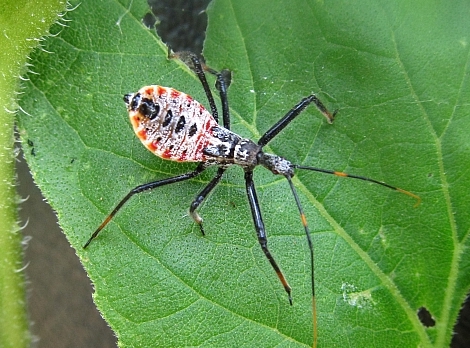
Assassin bug nymph in our garden plot

My son shouted, “It’s a Stink bug! I am going to smash it!”

“Wait! Let mama look at it, it might be a good bug,” said my husband.

For a gardener, my husband has an unhealthy aversion to bugs. He lets me make the good bug or bad bug call.   I put down my shovel to look at the bug.  My son pointed to a leaf on the sunflower plant growing out of our compost bin and declared, “There it is!”

The insect had a colorful body and long antennae.  It did not look like a Stink bug.  Its legs were too long and graceful.  It scuttled so fast around the leaves that I barely caught its image in my camera.   We let it be.  The next day,  I sent its photo to the Home and Garden Center at the Maryland Agricultural Extension. Within a few hours, I received the bug’s identity.   It is an Assassin bug nymph!

We are thrilled to have such a voracious predator in our garden plot.  This bug will help rid our garden of: aphids, Colorado potato beetles, cucumber beetles, Japanese beetles, Mexican bean beetles, tomato hornworms and many more pests.  I am glad we did not squash it!

Light Through the Swiss Chard

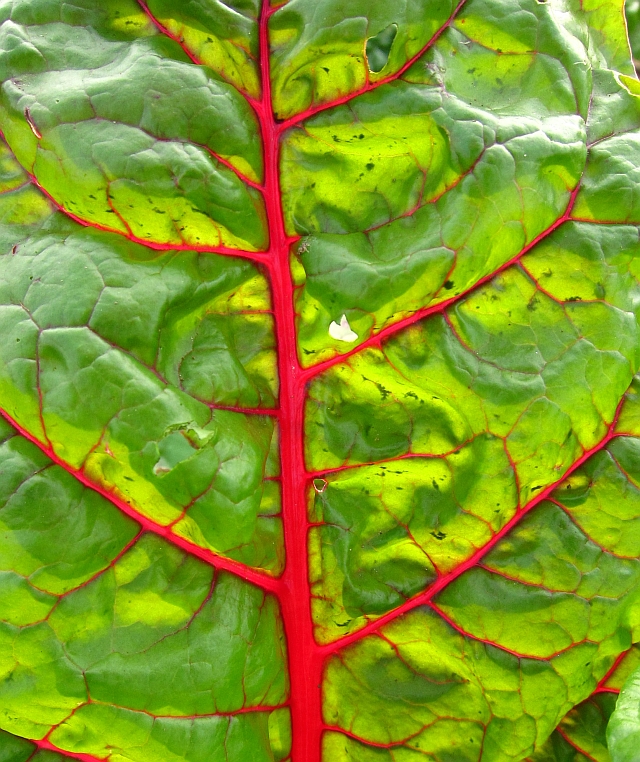
swiss chard leaf

Gardening with kids is a joy, but often it feels like double the work.  Its more messy and exhausting.  Now that it’s summer and my son is out of school, it will be  hard to get all the work done in our garden plot.  While I focus on my gardening tasks, I need to keep an eye on my son.   He will wander off from our plot, visit our garden neighbors and chat with a busy gardener or experiment with a hose nozzle that is not ours.  He forgets that he can not hurl sticks and stones in the garden or cut the grass near the plastic deer fence.  He is just too busy to help me weed, plant, or pick.  Except for yesterday, when he watered his garden bed and created a mud pool at our plot entrance.

All the chaotic and frustrating moments gardening with my son are tolerable when I remember the many priceless life lessons he has learned while at our plot.   Yesterday, I gave a bag of our swiss chard to the community gardener collecting donations for our local food bank.  My son asked me, “What is a food bank?”  I explained.  He asked more questions until I had no more answers.  I picked a bagful of Romain lettuce, gave it to my son and told him to give it to the “food bank” woman.    He carried the bag past several plots and hundreds of distractions to the right woman and cheerfully gave her our lettuce.

What lessons have your kids learned while gardening with you?

Sunflower and Gourd Seeds Planted

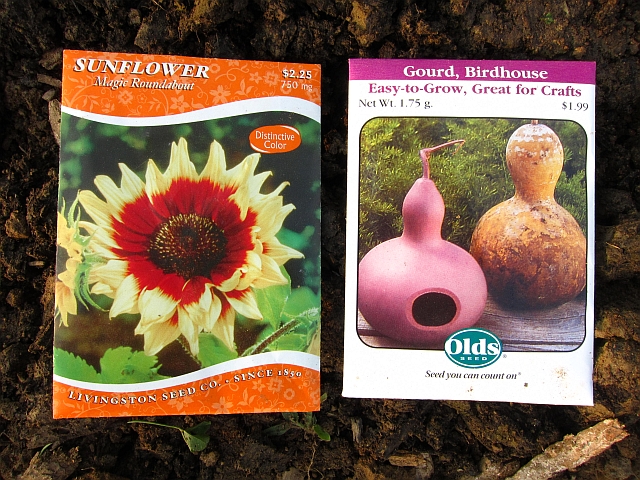
sunflower and gourd seeds planted

My son has his own garden bed in our community garden plot. For the last two years he has only planted Giant Sunflower seeds in his garden bed. This year he planted Bottle Gourd seeds along with a new variety of Sunflower seeds.  My son plans to make his own birdhouses and musical instruments from the gourds he grows (we will consult the Gourd Reserve when it comes time for harvesting and drying the gourds).   He planted Magic Roundabout Sunflower seeds,  a  hybrid sunflower that branches out and produces more than one flower per plant through summer into fall.   I plan to brighten our house with cut sunflowers this summer and fall!

Everything from our garden plot does not need to be edible to be useful!

Our First Snow Sugar Peas

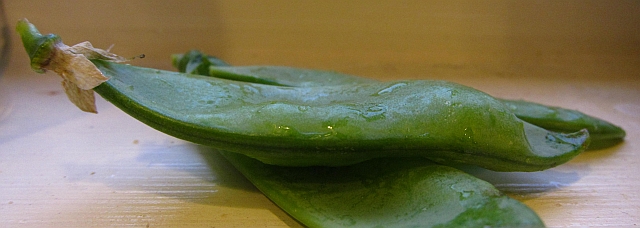
snowpeas
snow sugar pea - delicious, sweet, crispy and a little juicy

The best reward of gardening is to see our six-year-old son look for vegetables to eat in our garden plot.  My son will not hesitate to taste anything grown in our garden.   He likes most of our spring crops this year.  He munches on leaves of Romaine and Oakleaf lettuce while we dig, weed and plant. The snow sugar peas are his favorite.  It’s remarkable that he stopped whacking sticks in the dirt to examine the snow sugar pea plant with me.  I showed him how the snow pea plant’s tendrils twist, grab and help the plant climb up the trellis.   Together, we found the first plump snow pea pods ready to be picked (plump pea pod to be picked – that is a tongue twister !).  Now, independently, he will pick one dangling pod, spray it with water from the hose and crunch it in his mouth.  Once, after he bit a pod, I heard him say, “mmmmm, they are sweet, too.”

We will plant snow sugar peas again next spring!

A Snake in Our Strawberry Patch

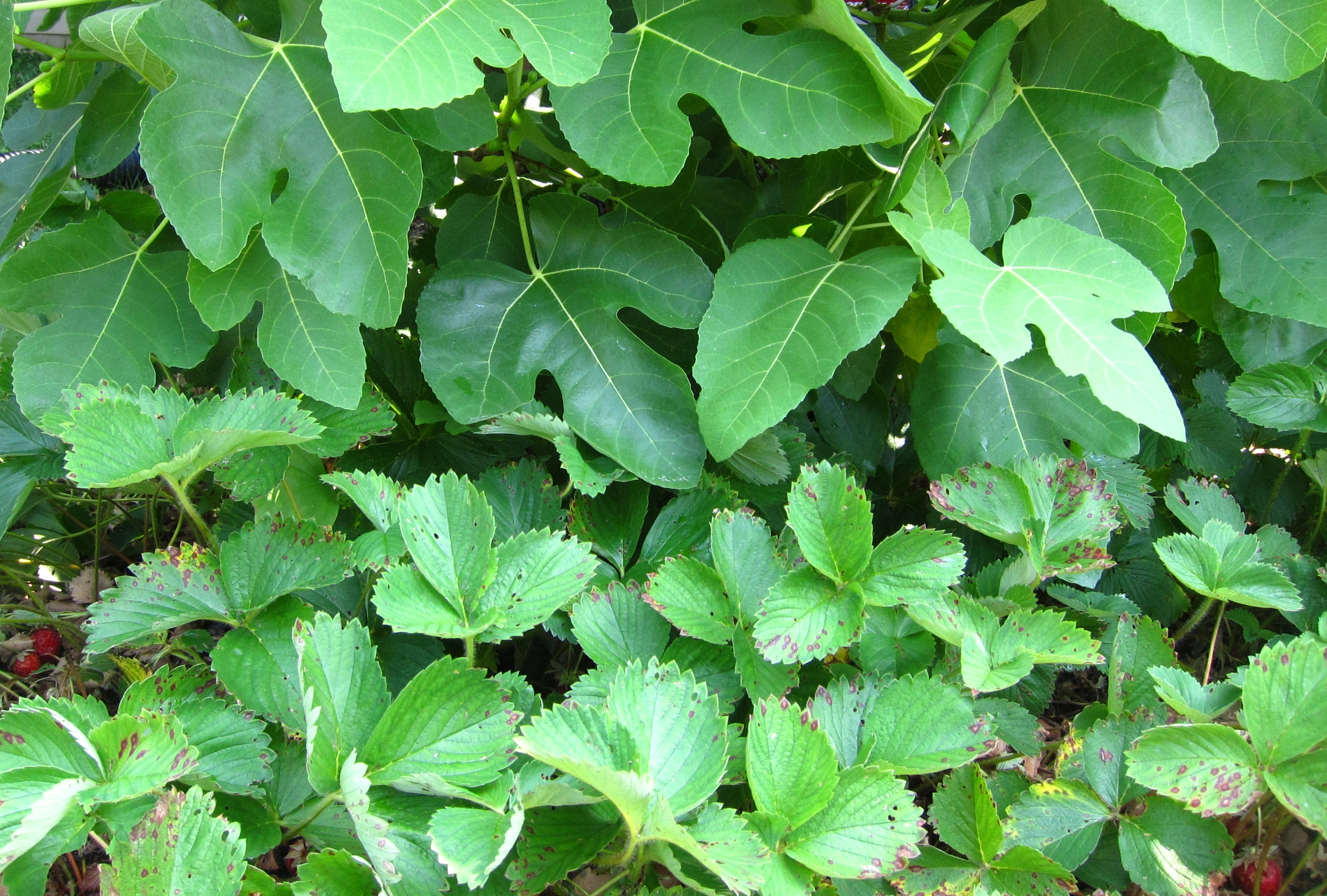
fig and strawberry leaf hideout

I found a big snake in our backyard strawberry patch! I saw the brown, black and white stripped snake a few days ago as I reached to remove the netting over the plants. It was not a slim little garter snake. This snake was long and coiled beneath the strawberry and fig tree leaves. It was still until it saw me, then it poked its head through the netting, opened its mouth and wiggled its tongue at me. I ran for my camera. When I returned to the strawberry patch, the snake had completely disappeared. A bit nervous, I combed through the strawberry patch with a long stick and picked the last strawberries of the season.

Why did a big snake visit our small strawberry patch?

Snakes do not eat fruit, but they eat the critters (rodents, moles and chipmunks) that nibble our strawberries.  Also, the fig leaves and strawberry plant leaves provide a cool hideout for the snake during the hot days.   Although a bit frightening,  the snake is a beneficial garden critter.  It may even be more effective in protecting our strawberries than the netting!

Strawberries

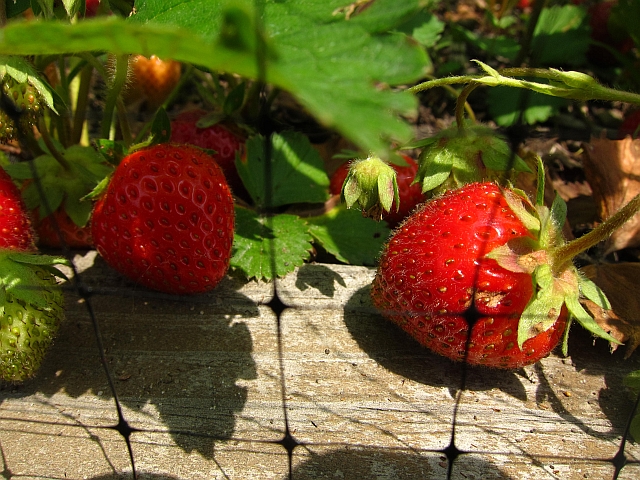
strawberries under netting

Strawberries are abundant and ripe now!  We have two supply sources for fresh picked strawberries..our backyard and at our community garden plot. The strawberries in our backyard have less damage this year because we covered them with netting.  Only the bugs have access to the fruit, not the birds so our yields are greater.  We already picked two and a half pounds from our backyard patch.   Last evening we picked another 2 and a half pounds from an abandoned plot in our community garden. A woman saw my son getting into mischief in our plot so she asked him if he wanted to pick the strawberries from the unclaimed plot next to her. The plants were rambling into her garden space and loaded with berries.  We picked and picked.  The strawberries in the community garden were not covered with netting and did not seem to have damage from hungry birds.   Could it be because the birds  have more natural food sources at the Howard County Conservancy than in our backyard?

What organic methods do you use to protect your strawberries?

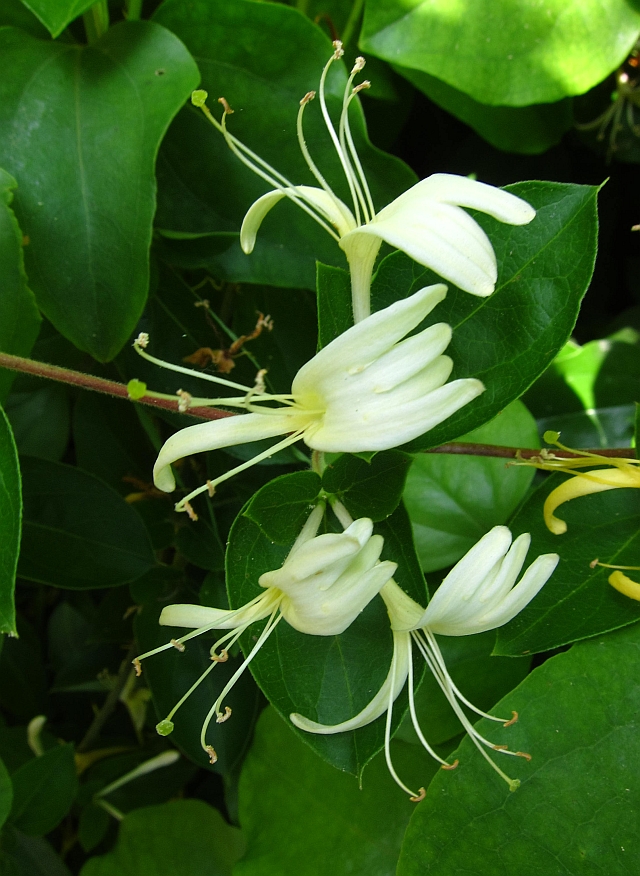
Fragrant Honeysuckle

honeysuckle
Have you smelled a delightful fragrance floating along roadways now? It is probably the honeysuckle’s white ruffled trumpet flowers ripening into pale yellow flowers full of sweet nectar. My son and I smell joy as we walk past blankets of honeysuckle on our way to his school every morning. These invasive vines drape and twist over foliage in the forested areas of our neighborhood and along major highways.

One day as I walked home from my son’s school, I saw a woman picking the honeysuckle flowers off the vines. My gardener’s curiosity gave me boldness. I crossed the street and talked to her. She had a soft mound of the delicate flowers inside her plastic grocery bag. She told me that she makes honeysuckle tea from the flowers by seeping a cup of the flowers in a quart of boiling water.

I did some research and discovered that honeysuckle tea has several medicinal uses. But the leaves of the honeysuckle vine can be poisonous if injested.

Have you tried honeysuckle tea?

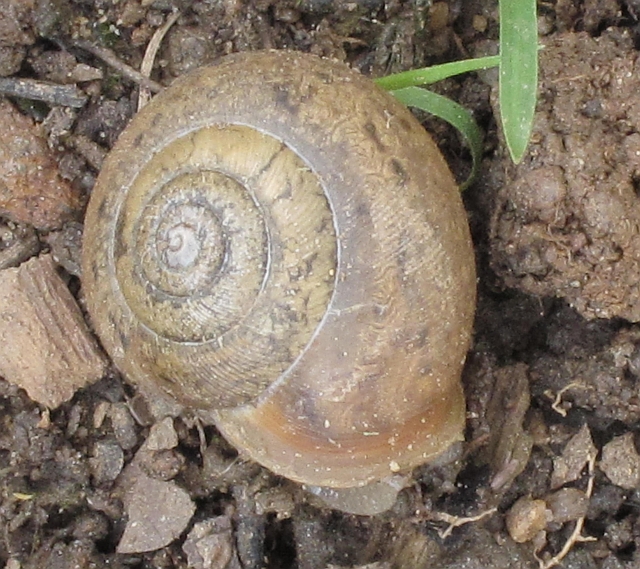
Snail in Our Spinach Bed

snail in our spinach bed

I found a snail and a slug in our spinach bed yesterday. My son was thrilled to play with these two critters while my husband and I worked in the plot. He made them a little home of sticks, rocks and leaves. I heard him say, “I cracked snaily’s shell by accident!” My heart sank. He was upset at first, but our new hose attachment distracted him. Later, I learned how damaging snails can be to newly planted seedlings. “Snaily” had to go. We just transplanted our tomato, peppers and eggplant seedlings to our garden plot!

Here are a few facts about snails from the Good Bug Bad Bug book. Snails attack young seedlings, lettuce, ripening strawberries, tomatoes and peppers. They will not eat plants with fragrant foliage or fuzzy leaves. To prevent snails and slugs in your garden….keep it clear of garden debris where they can hide and eat decaying plant matter, water garden in the morning to allow foliage to dry before night fall, and remove snails by hand and place them in a jar of soapy water. To protect seedlings from slugs, place pieces of window screening around seedling base (snails detest rough surfaces). Ducks, moles, shrews, garter snakes, frogs, toads and turtles eat snails.

This is the first time we’ve noticed a snail in our garden plot. Did all the recent rain make our plot more attractive to snails? Have you seen snails in your garden?

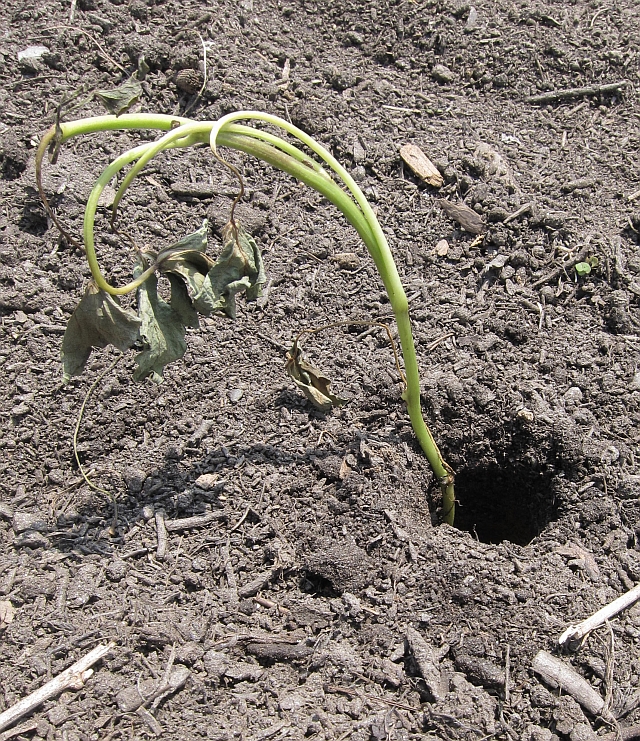
Sweet Potato Planting

one sweet potato slip

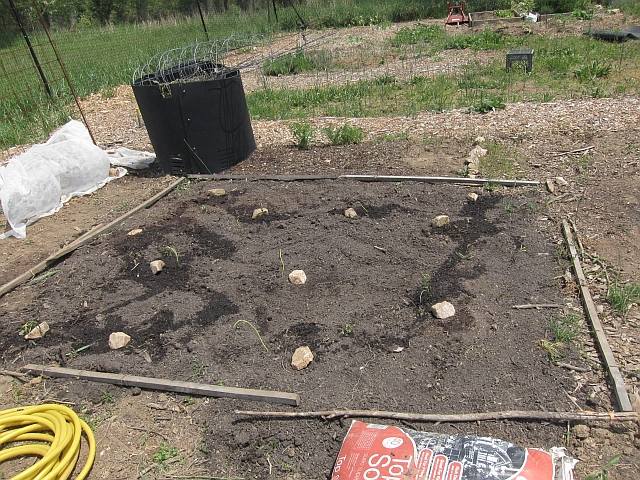
Last week I planted 12 sweet potato slips.  They look straggly now, but just wait, they will produce a hearty vine and a hidden treasure of potatoes.  Last year we planted 2 slips and dug up about 50 pounds of rugged sweet potatoes (bright orange and creamy when cooked) at harvest time.   Once the vines start growing, we will surround them with a low border fencing to prevent them from spreading into our other vegetable beds or community garden walking paths.  This year we planted the slips in a corner that is not adjacent to a neighbor’s plot.  These plants can get a bit too gregarious!  I marked each slip with a rock because it will help us find where to begin digging at harvest when there is a sea of vines.  I have high hopes for these slips.  If all twelve of these newly planted slips take off and produce we could have 300 pounds of sweet potatoes!

our sweet potato patch

(We may have more….I noticed sweet potato vines growing in last year’s sweet potato bed.  I wish I did not have to pull out these unexpected guests, but they will take over our tomato and pepper patch if I don’t).

Do you have any sweet potato recipes to share with me?