Squash Vine Borer

All curcurbits: gourds, pumpkins, summer squash, winter squash and occasionally cucumbers and melons are hosts to the squash vine borer.

I used row covers before the squash plants flowered to prevent pests, but the following actions described in the book, Good Bug, Bad Bug by Jessica Walliser may have prevented  my recent vine borer attack:

    •  Mound soil over the stem up to the lower-most flower to eliminate egg laying surface area and encourage root development.
    •  Wrap a strip of aluminum foil around the plant base early in the season, to prevent adults from laying eggs on the stem.  Nestle the foil just below the  soil surface, reaching up to the lowermost leaf.
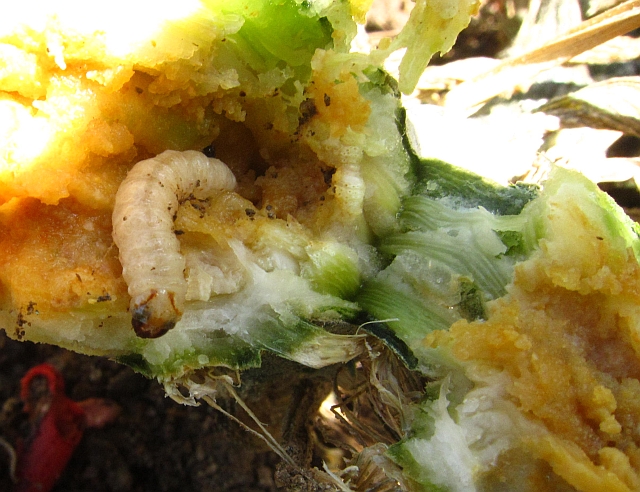
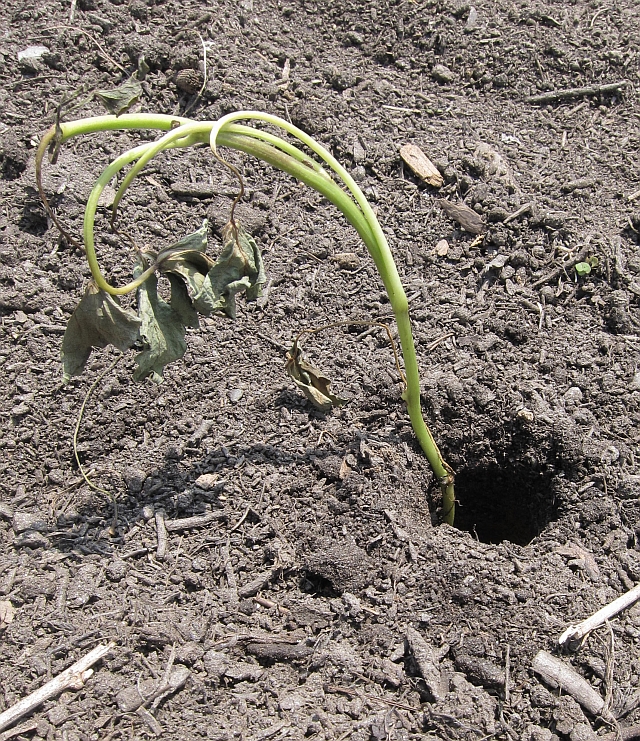
squash vine borer in one of our squash stems

We could try and save the plants by cutting the stem and digging out the vine borer larva, then covering the cut stem with dirt.  But,  I learned my lesson, next summer I will remember, “mound and wrap.”
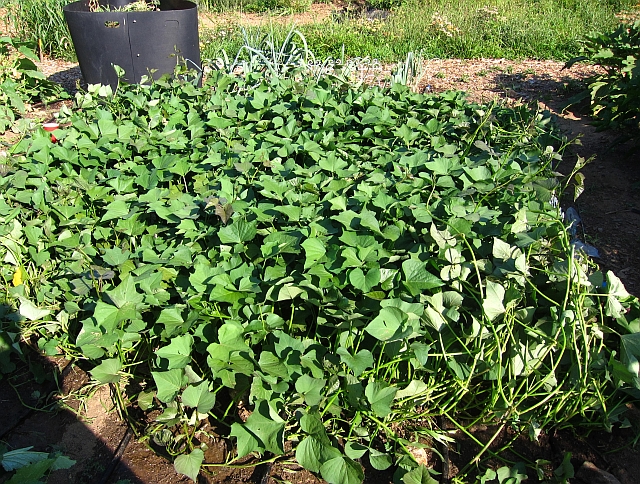
Sweet Potato Leaves

our sweet potato vine explosion

We discovered greens that grow well in hot weather – sweet potato leaves (also called sweet potato tops).  A Chinese gardener from our community garden told us that sweet potato leaves are edible.  They are rich in vitamins A, C, and B2 (Riboflavin).

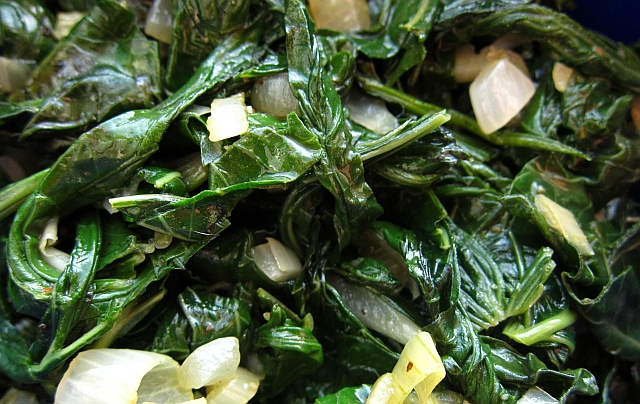
cooked sweet potato leaves

We have an abundance of sweet potato leaves growing in our community garden plot!  The leafy vines are taking over our leek bed and walking path so I picked a couple bagfuls for my cooking experiments.

1.  I sauted the leaves in olive oil with shallots then simmered them in chicken stock.  I served the cooked leaves with quinoa.   It was yummy.

2.  I sauted  the leaves  in vegetable oil with chopped ginger, then simmered the leaves in chicken stock. I served it as a side dish.  It tasted delicious.

I discovered that  sweet potato tops are strong and hearty, will hold up to cooking, are similar to spinach and have a mild, non-bitter taste.

Donating to Local Food Bank

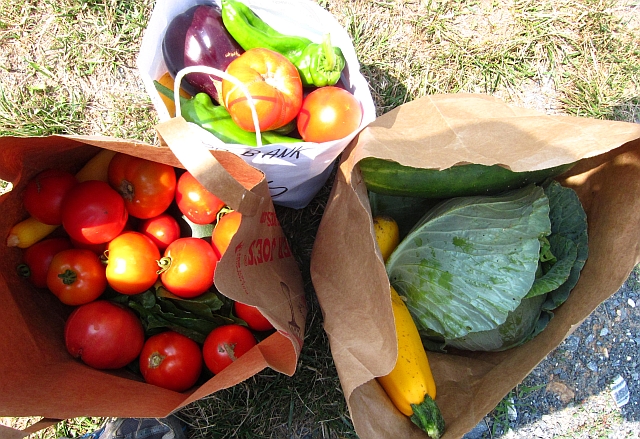
The Howard County Community Garden food bank donation for July 21st

The Howard County Conservancy Community Garden donates a portion of its produce to the Howard County Food Bank every Tuesday and Thursday.  Volunteers pick the produce contributions from a plot solely dedicated to the food bank and from individuals’ gardens with portions marked for the food bank.  Often a gardener will mark their plot for the food bank when they are out of town for  an extended period of time.  The goal is to prevent waste in our gardens.

Yesterday, my son and I joined another gardener to pick the produce for donation.    It was fun and I learned how to harvest cabbage.  The cabbage head is cut from the thick stalk because a new cabbage head may grow from the old stalk.   I will look for cabbage regrowth in the food bank plot.

We collected three bags of produce including tomatoes, cabbage, peppers, Malabar spinach, zucchini, and eggplant.   It weighed in at 29 pounds at the food bank!   The fresh organic produce was greatly appreciated.

Over 36 million Americans are hungry and rely on local food pantries to help sustain their families.  For more information about how other gardeners are giving to food banks across Maryland and the United States visit Grow It Give It.

Light Through the Swiss Chard

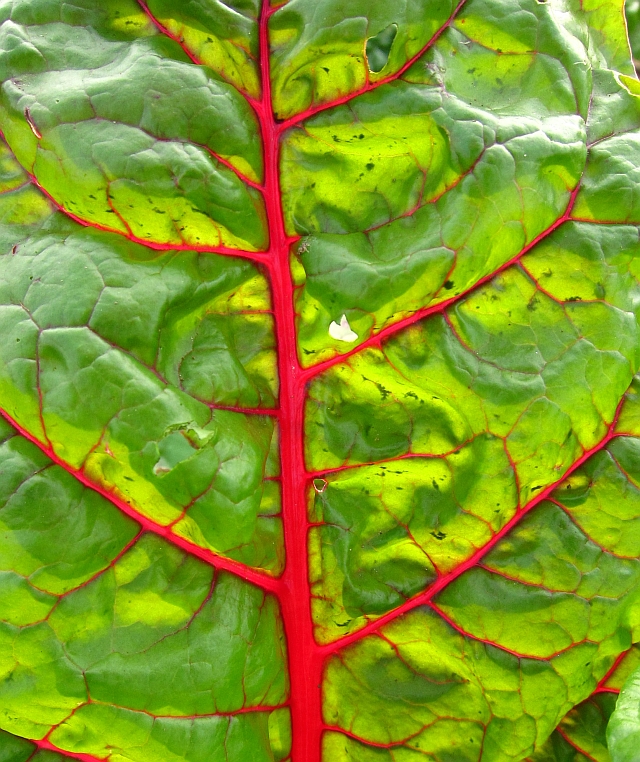
swiss chard leaf

Gardening with kids is a joy, but often it feels like double the work.  Its more messy and exhausting.  Now that it’s summer and my son is out of school, it will be  hard to get all the work done in our garden plot.  While I focus on my gardening tasks, I need to keep an eye on my son.   He will wander off from our plot, visit our garden neighbors and chat with a busy gardener or experiment with a hose nozzle that is not ours.  He forgets that he can not hurl sticks and stones in the garden or cut the grass near the plastic deer fence.  He is just too busy to help me weed, plant, or pick.  Except for yesterday, when he watered his garden bed and created a mud pool at our plot entrance.

All the chaotic and frustrating moments gardening with my son are tolerable when I remember the many priceless life lessons he has learned while at our plot.   Yesterday, I gave a bag of our swiss chard to the community gardener collecting donations for our local food bank.  My son asked me, “What is a food bank?”  I explained.  He asked more questions until I had no more answers.  I picked a bagful of Romain lettuce, gave it to my son and told him to give it to the “food bank” woman.    He carried the bag past several plots and hundreds of distractions to the right woman and cheerfully gave her our lettuce.

What lessons have your kids learned while gardening with you?

Our First Snow Sugar Peas

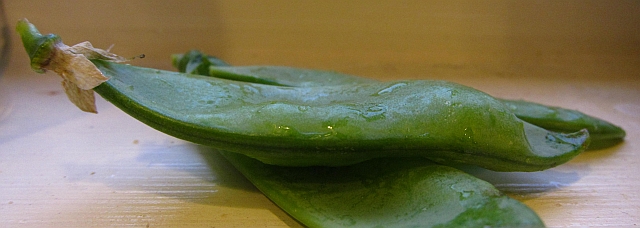
snowpeas
snow sugar pea - delicious, sweet, crispy and a little juicy

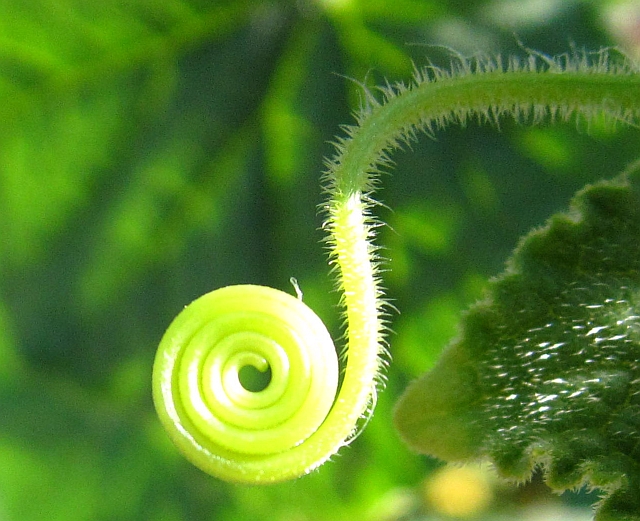
The best reward of gardening is to see our six-year-old son look for vegetables to eat in our garden plot.  My son will not hesitate to taste anything grown in our garden.   He likes most of our spring crops this year.  He munches on leaves of Romaine and Oakleaf lettuce while we dig, weed and plant. The snow sugar peas are his favorite.  It’s remarkable that he stopped whacking sticks in the dirt to examine the snow sugar pea plant with me.  I showed him how the snow pea plant’s tendrils twist, grab and help the plant climb up the trellis.   Together, we found the first plump snow pea pods ready to be picked (plump pea pod to be picked – that is a tongue twister !).  Now, independently, he will pick one dangling pod, spray it with water from the hose and crunch it in his mouth.  Once, after he bit a pod, I heard him say, “mmmmm, they are sweet, too.”

We will plant snow sugar peas again next spring!

Snail in Our Spinach Bed

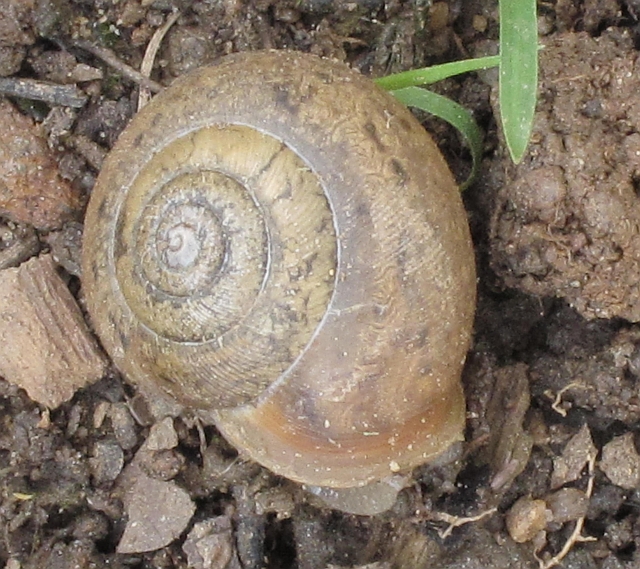
snail in our spinach bed

I found a snail and a slug in our spinach bed yesterday. My son was thrilled to play with these two critters while my husband and I worked in the plot. He made them a little home of sticks, rocks and leaves. I heard him say, “I cracked snaily’s shell by accident!” My heart sank. He was upset at first, but our new hose attachment distracted him. Later, I learned how damaging snails can be to newly planted seedlings. “Snaily” had to go. We just transplanted our tomato, peppers and eggplant seedlings to our garden plot!

Here are a few facts about snails from the Good Bug Bad Bug book. Snails attack young seedlings, lettuce, ripening strawberries, tomatoes and peppers. They will not eat plants with fragrant foliage or fuzzy leaves. To prevent snails and slugs in your garden….keep it clear of garden debris where they can hide and eat decaying plant matter, water garden in the morning to allow foliage to dry before night fall, and remove snails by hand and place them in a jar of soapy water. To protect seedlings from slugs, place pieces of window screening around seedling base (snails detest rough surfaces). Ducks, moles, shrews, garter snakes, frogs, toads and turtles eat snails.

This is the first time we’ve noticed a snail in our garden plot. Did all the recent rain make our plot more attractive to snails? Have you seen snails in your garden?

Sweet Potato Planting

one sweet potato slip

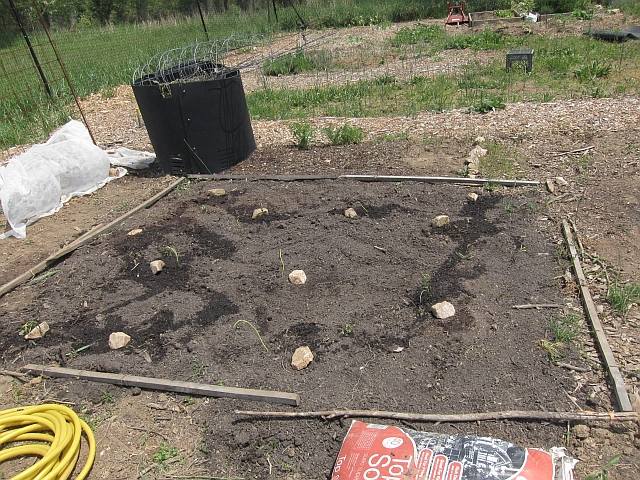
Last week I planted 12 sweet potato slips.  They look straggly now, but just wait, they will produce a hearty vine and a hidden treasure of potatoes.  Last year we planted 2 slips and dug up about 50 pounds of rugged sweet potatoes (bright orange and creamy when cooked) at harvest time.   Once the vines start growing, we will surround them with a low border fencing to prevent them from spreading into our other vegetable beds or community garden walking paths.  This year we planted the slips in a corner that is not adjacent to a neighbor’s plot.  These plants can get a bit too gregarious!  I marked each slip with a rock because it will help us find where to begin digging at harvest when there is a sea of vines.  I have high hopes for these slips.  If all twelve of these newly planted slips take off and produce we could have 300 pounds of sweet potatoes!

our sweet potato patch

(We may have more….I noticed sweet potato vines growing in last year’s sweet potato bed.  I wish I did not have to pull out these unexpected guests, but they will take over our tomato and pepper patch if I don’t).

Do you have any sweet potato recipes to share with me?

Spinach Pesto

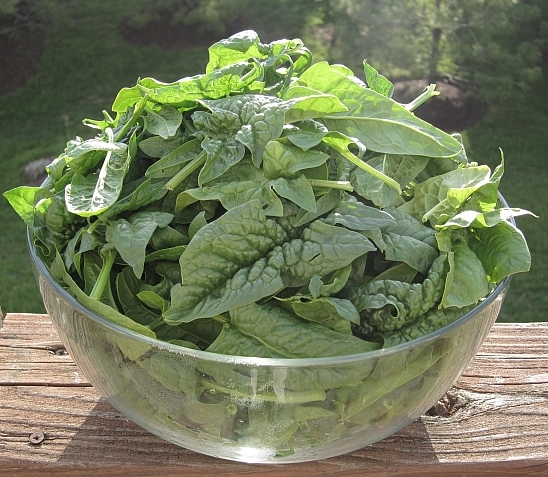
spinach picked from our plot

The spinach in our garden plot is starting to flower so I picked a grocery bag full of spinach this week.  Slugs like green leafy vegetables so I always clean greens by putting them into our kitchen sink filled with water.   If there are slugs hidden in the greens they will float to the water surface in several minutes.   Before I cleaned our huge batch of spinach, I soaked a batch of fresh picked green leaf lettuce and found two small slugs!  Spinach leaves are tough so I put them through a soak and rinse cycle three times.  We ate the squeaky clean spinach in salads all week!

Today I made spinach pesto, mixed it with ricotta cheese and created a white pizza topping. Yummy!

Spinach Pesto is easy to make by pulsing the following ingredients together in a food processor.
Ingredients:
2 cups fresh spinach leaves, well-washed and stemmed
1/2 cup walnuts
1/4 cup parmesan cheese, freshly grated, not canned
2 garlic cloves
2 tablespoons extra virgin olive oil
1/4 teaspoon sea salt
1/8 teaspoon fresh ground black pepper

Do you have any surprising spinach recipes?

Our First Snow Peas

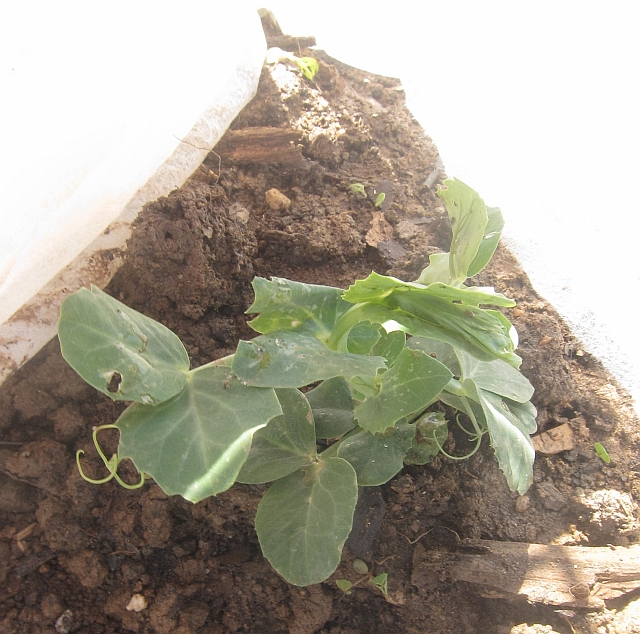
Snow peas

We finally have sturdy snow pea seedlings growing under row covers! Only a few seedlings emerged from the first snow pea seeds we planted in early April. Unfortunately, those fragile plants were nibbled down to the dirt by some critters. To improve seedling growth we treated the next batch of snow pea seeds with inoculant before planting and to prevent seedling damage we covered the ground with row covers. We now have thriving snow pea plants with dangling tendrils searching for something to climb. The plants need to grow bigger before the tendrils can wrap around the reinforcing wire trellis we installed two years ago. This is our first year planting snow peas. We learned another gardening lesson through trial and error.

What is inoculant? A commercially prepared source of dormant rhizobia, a naturally occurring soil bacterium. These tiny bacteria live within the bean roots and extract nitrogen from the air (which is 78% nitrogen), thus feeding the plants. Inoculant can be dusted onto moistened bean and pea seed just before planting. It’s a fully natural, simple process which takes only a moment, but will increase crop yields all season long. Inoculant can be purchased at most garden centers.